
Ali: Find Your Next Era
A conversational AI experience through Dell Technologies that helps consumers discover the technology that fits the phase of life they're in.
Role
Company: VML MAP
Client: Dell Technologies
AI Product Designer
Experience Strategy
Prompt Design
Prototyping
Challenge
Technology shopping can feel overwhelming and transactional.
Consumers aren't thinking:
"Which laptop has 32GB RAM?"
They're thinking:
"I'm starting college."
"I'm entering my fitness era."
"I'm becoming a creator."
"I'm rebuilding my routine."
Opportunity
Can AI turn device selection into a personal, emotionally resonant experience?
People don’t buy technology. They buy a different version of themselves.
What they actually buy:
More freedom
Less stress
More creativity
Better balance
New possibilities
Toolkit

VS Code and Claude Code

Google Cloud Platform

Firebase

Figma
The Idea
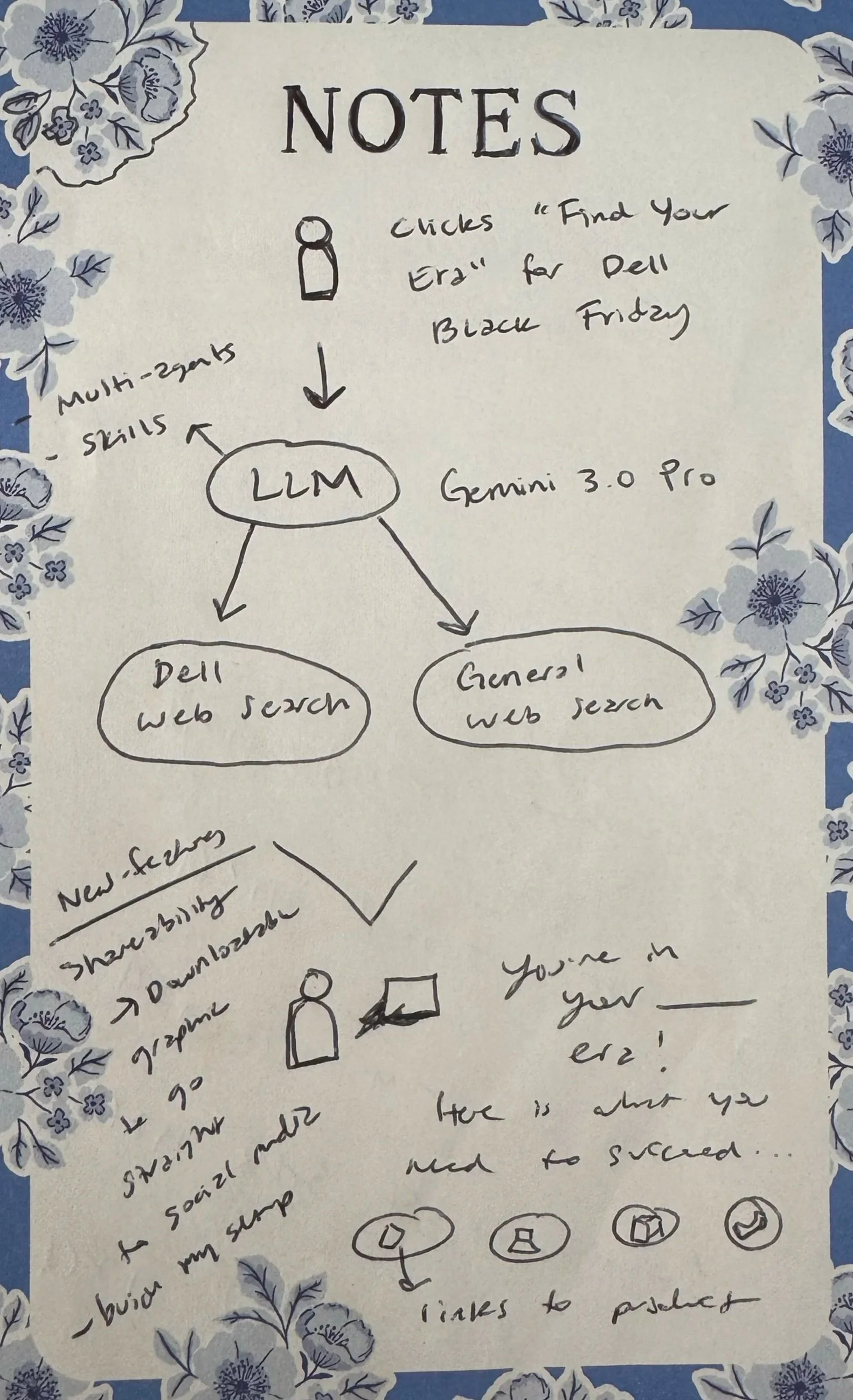
Shopping for technology shouldn't start with specs, it should start with people.
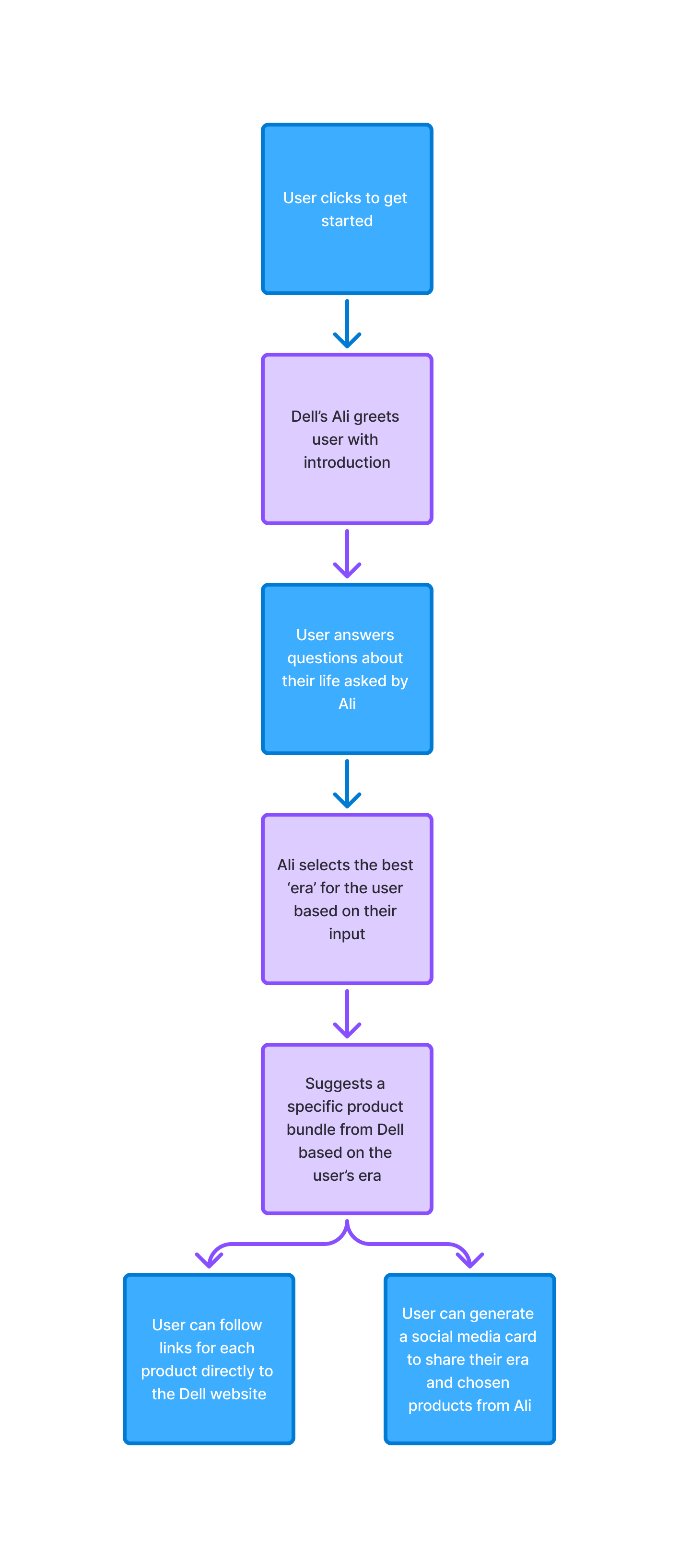
Research on AI
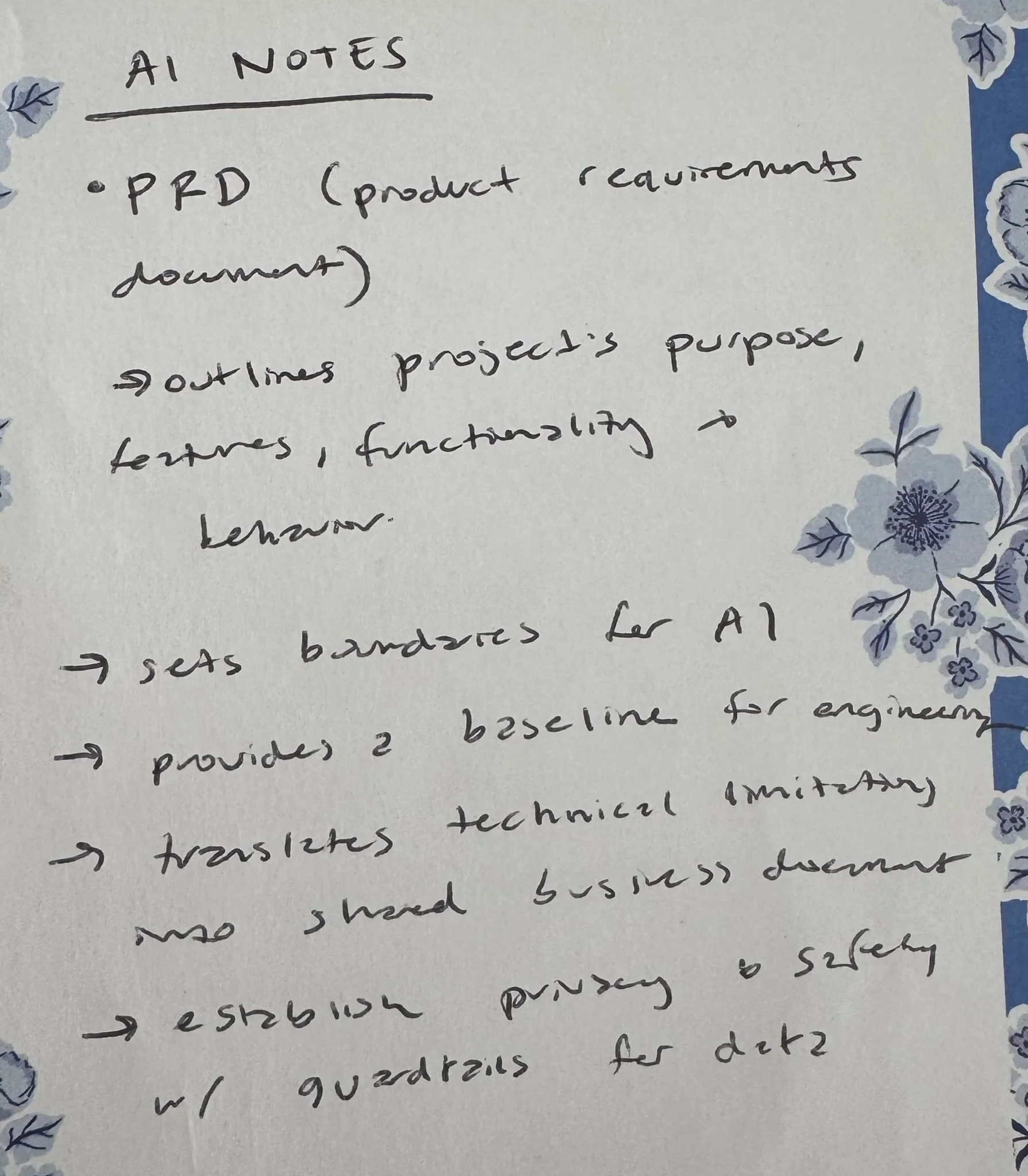
Product Requirements Document
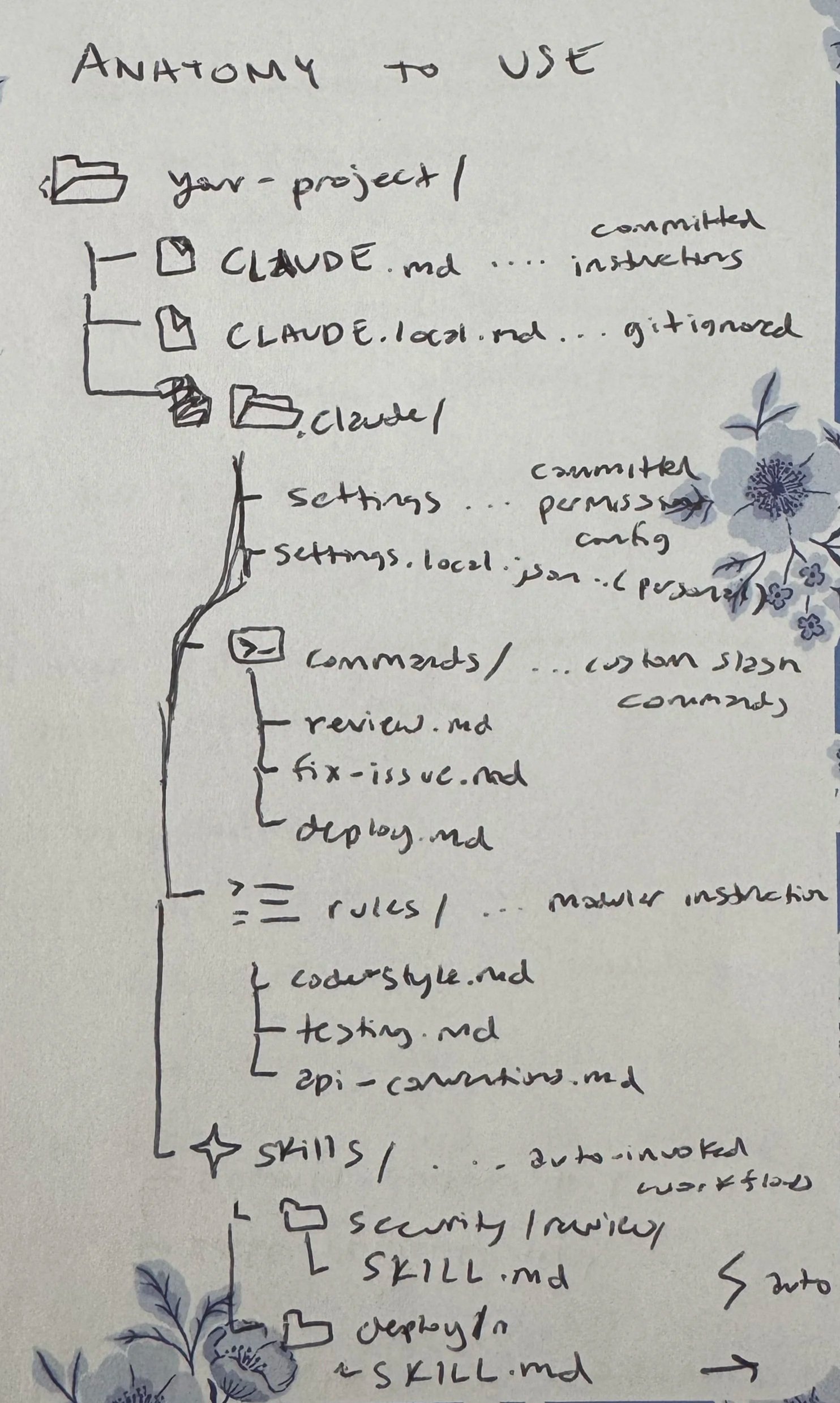
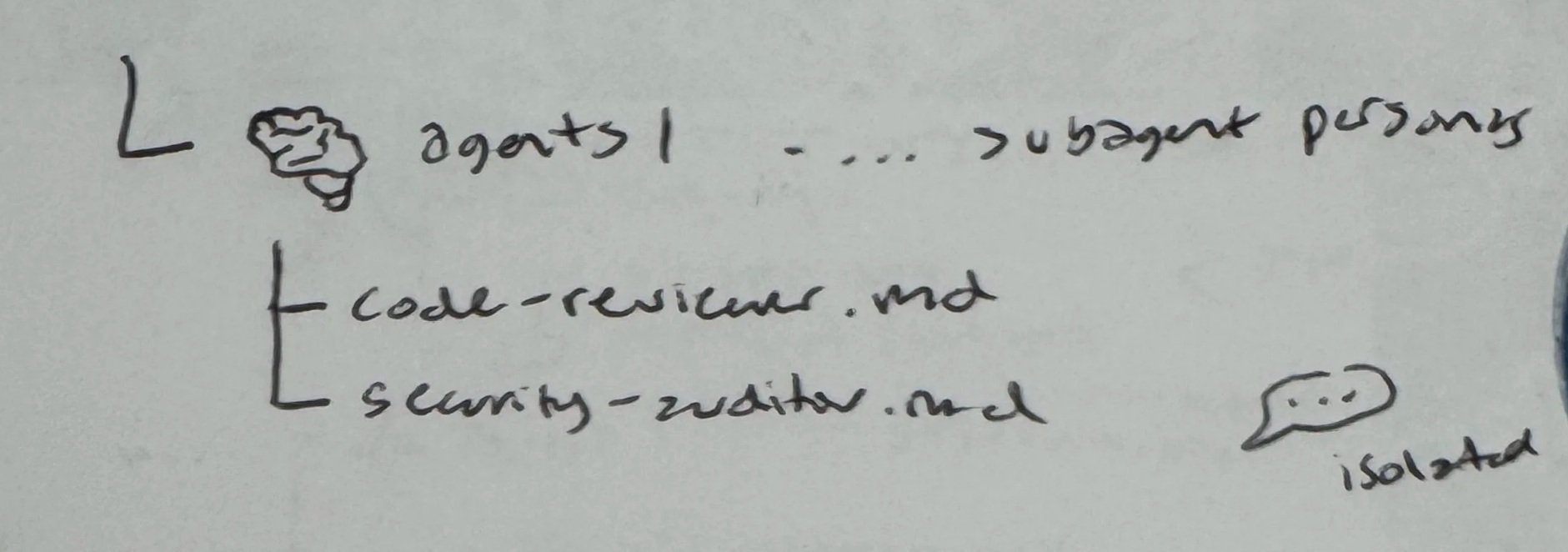
Backend Architecture Commonality
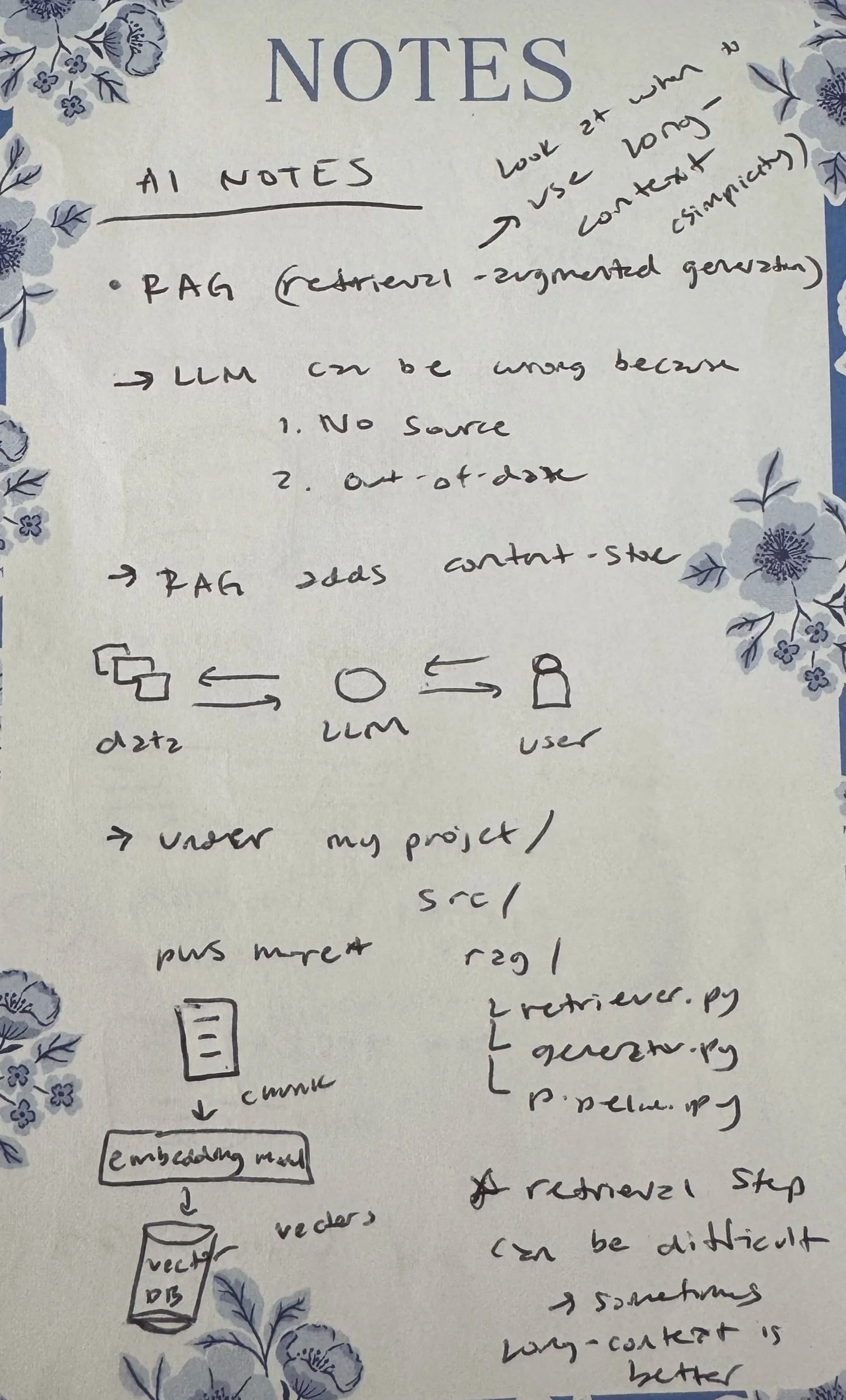
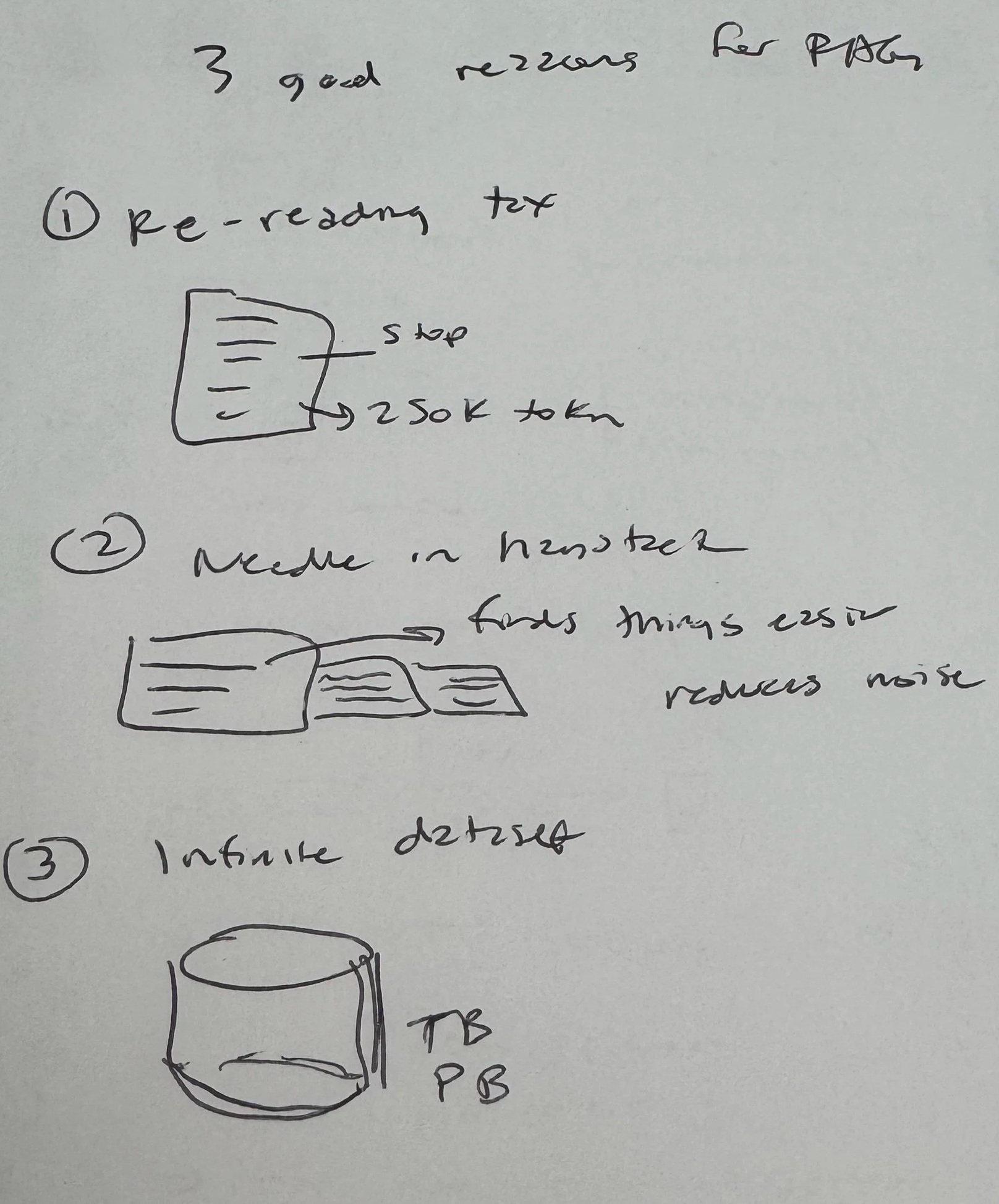
RAG Chats and Use Cases
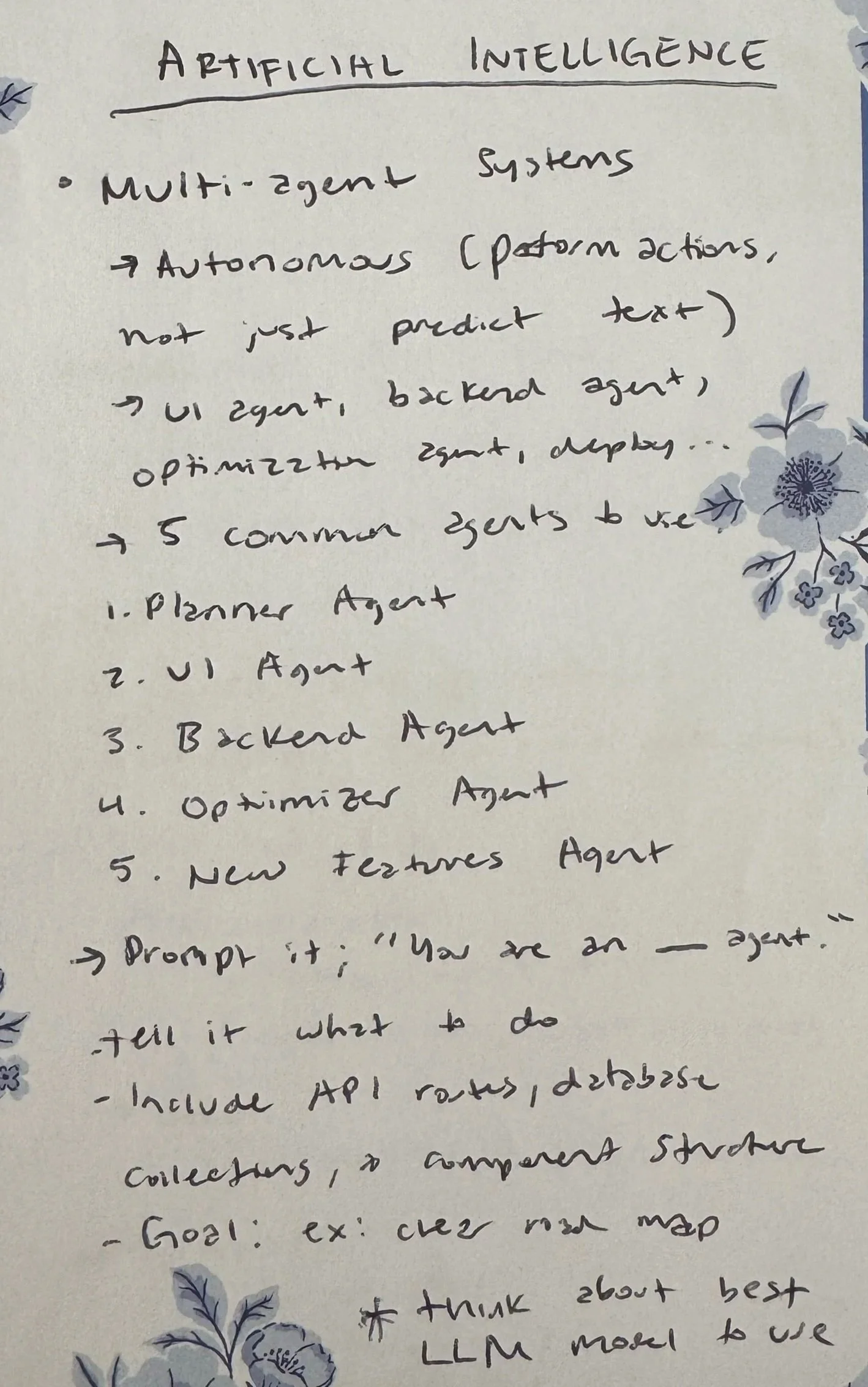
Multi-Agent Systems in AI
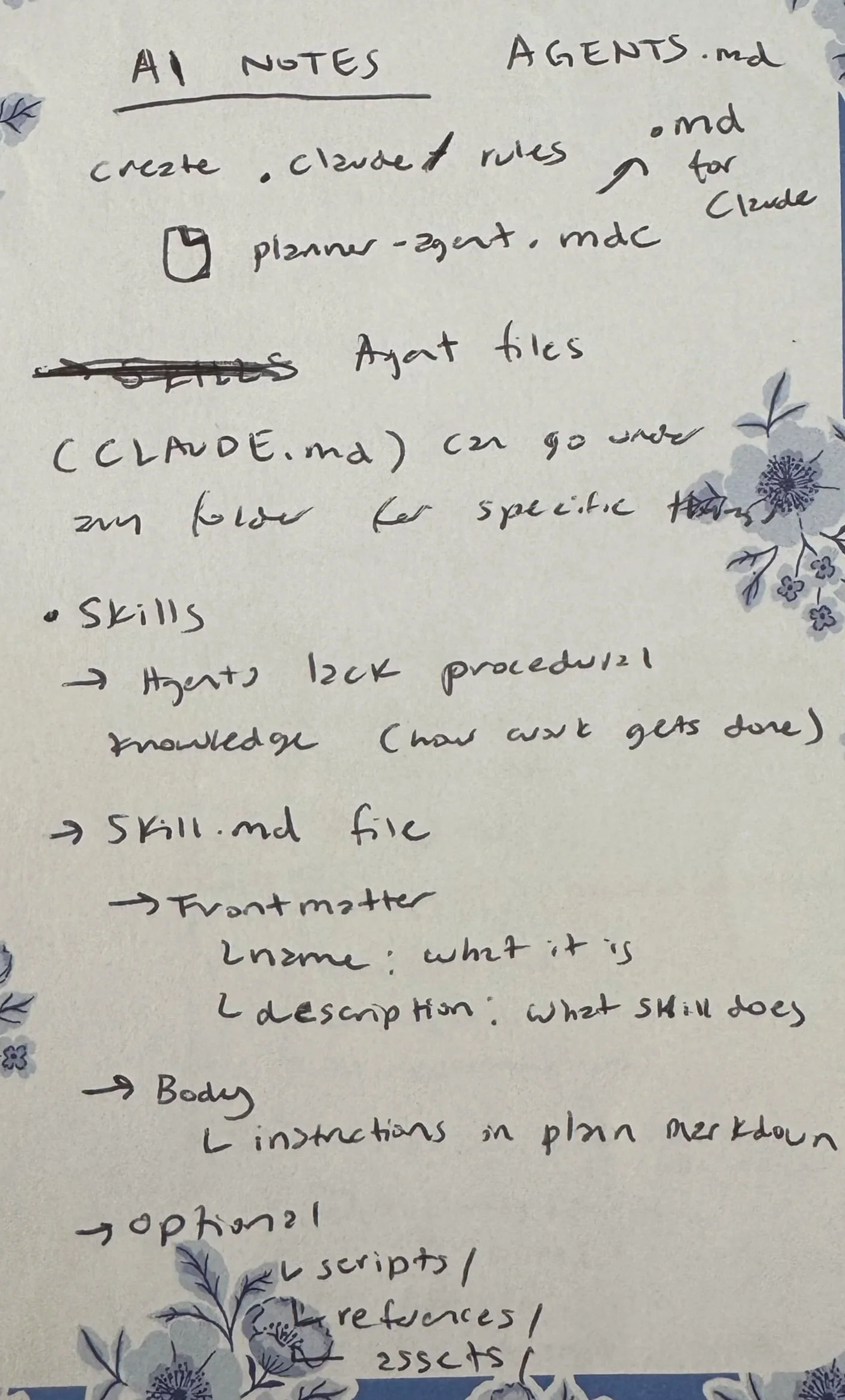
AI Skills
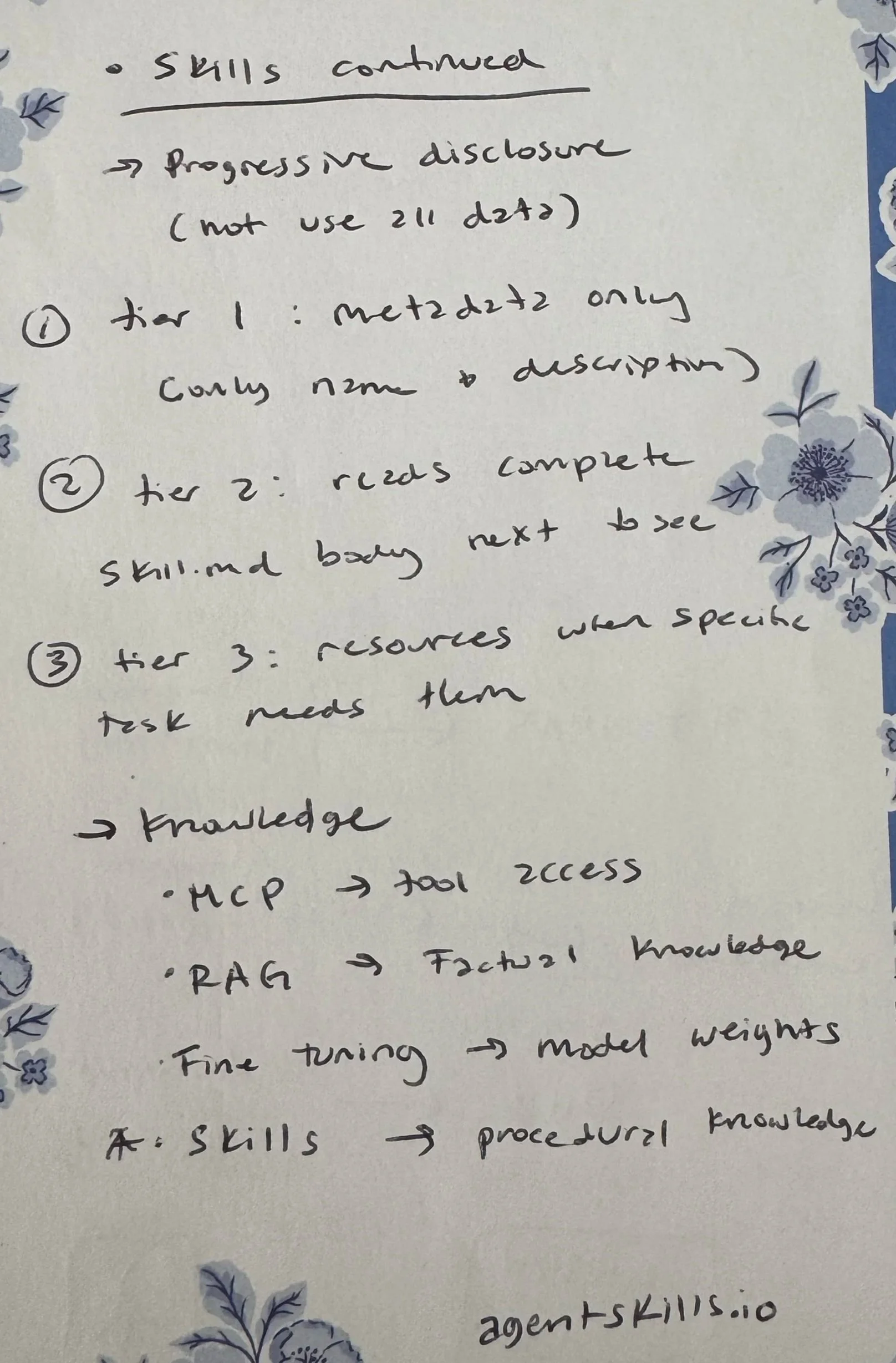
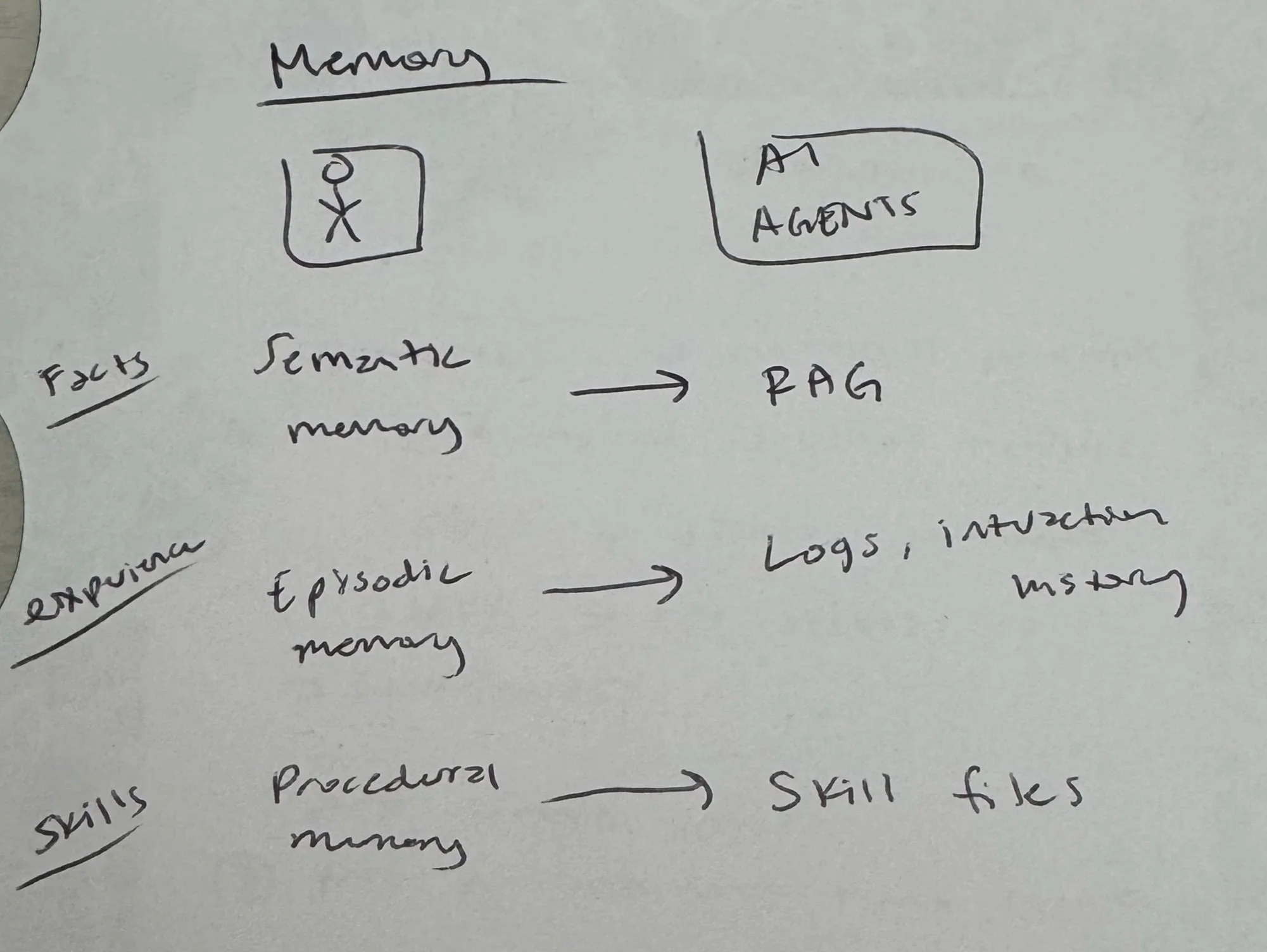
-
Dell Technologies is aggressively repositioning itself as the essential infrastructure partner for the AI era. Evolving from its direct-to-consumer roots, the company is now a B2B-focused behemoth, leveraging its vast engineering and operational scale to build the "AI Factory" for the enterprise. Through massive R&D investment, a simplified brand message, and a clear focus on hybrid AI and the emerging AI PC market, Dell is making a strategic, company-wide bet that its future lies in providing the foundational hardware and solutions upon which the next generation of artificial intelligence will be built.
-
Dell's customer landscape is a complex mosaic of meticulously defined segments, ranging from individual students and high-end gamers to the world's largest corporations and government bodies. The company's success lies in its strategic ability to move beyond a one-size-fits-all approach, employing a dual B2C and B2B focus that leverages a direct-to-consumer legacy for its consumer brands while deploying a sophisticated, solution-oriented content marketing strategy to capture and serve its highly lucrative enterprise clients. This granular segmentation, applied across product design, marketing, and global distribution, allows Dell to address a vast range of needs, from a student's first laptop to the complex AI infrastructure of a multinational corporation.
-
Dell Technologies competes as a heavyweight in two distinct arenas: it is a top-tier contender in the fierce, commoditised global PC market, and the reigning champion in the lucrative enterprise server space. Its market position is defined by this duality—while it battles HP and Lenovo for every point of PC market share with a brand perceived as reliable but not always innovative, it simultaneously leverages its immense scale and supply chain mastery to dominate the enterprise data centre, solidifying its leadership as the go-to provider for the AI infrastructure boom. This strategic focus on the high-margin enterprise and AI server market, built on the efficiency principles of its direct-model legacy, defines its powerful but complex standing against a field of diverse and aggressive competitors.
-
The most urgent priority is to address widespread criticism of its customer service through better training, empowerment of support staff, and improved self-service options. The brand also faces the challenge of overcoming a perception of being uninspired in the consumer market, which requires a strategic shift towards a more design-led and innovative product culture. Externally, Dell must navigate significant threats, including intense competition in the AI server market and critical supply chain shortages for AI components. To build long-term resilience, Dell should focus on fostering a genuine user community and more prominently featuring its impressive sustainability and CSR initiatives in its brand narrative to build deeper loyalty with modern, values-driven consumers.
Research on Dell Technologies
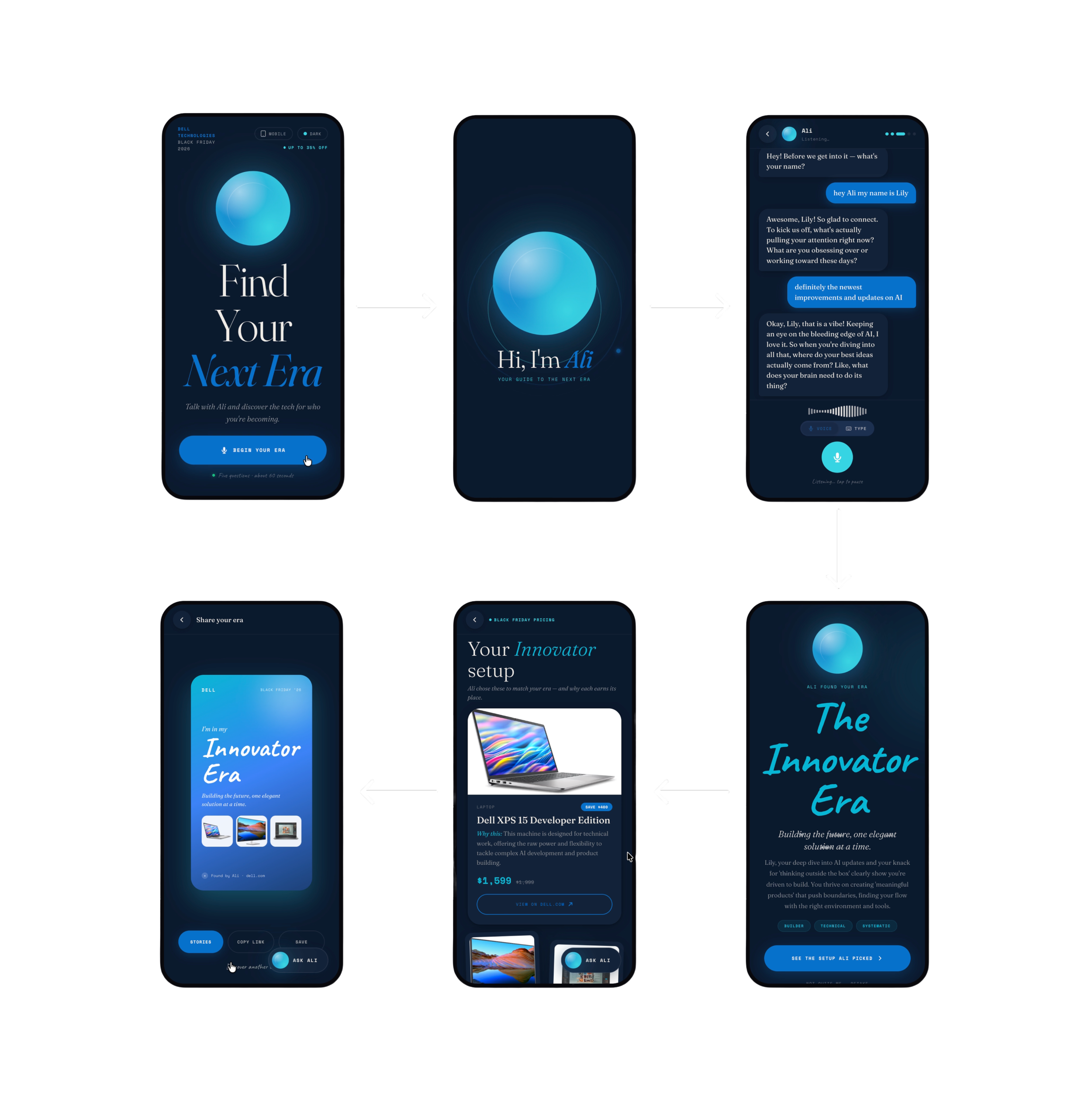
Walkthrough
Discovery (dell.com / ads / social) User arrives via Black Friday campaign materials. Teaser: "This isn't a deal. It's a direction." Stage 1: Landing Page
Curious, slightly skeptical ("What is this?") with the goal to create intrigue, lower the sales expectation, invite them in.
Stage 2: Conversation Start (the chat)
Engaged but unsure what to expect with the goal to make the first question feel safe and open. The AI opens with a warm, slightly mysterious greeting, then asks Q1. User types their first real answer.
Stage 3: Discovery Questions (Q2–Q4)
Progressively more open, feeling seen with the goal to gather rich signal while making every reflection feel personal. The AI asks Q2, Q3, Q4. Each answer is reflected back in a way that makes the user feel genuinely observed, not profiled. *
Stage 4: The Final Question (Q5, Chosen Era)
Trust established, curious about outcome with the goal to get the deepest, most authentic answer- "What does success look like for you?" This is the highest-signal question. The AI frames it as special ("Last one. This is the one that matters most.")
Stage 5: The Era Reveal
Anticipation → Recognition with the goal of the moment of "yes, that's exactly it." Era card animates in. User's era name, tagline, and personalized description appear. Then: "Here are a few things that can support your next era." Three products stagger in below.
Stage 6: Product Exploration
Shows intent with the goal to transform the emotional connection to the era into product interest. Products are presented as era tools, not commodities. Each card leads with a tagline connecting the product to the era narrative.
Stage 7: Exit / Share (Future State)
User can share their era (social card) , save their era profile (email gate), or start over with a different persona - Continue to dell.com to purchase
The Backend
A conversational Black Friday experience built around identity, possibility, and human transformation. It starts with a conversation, not a product grid.
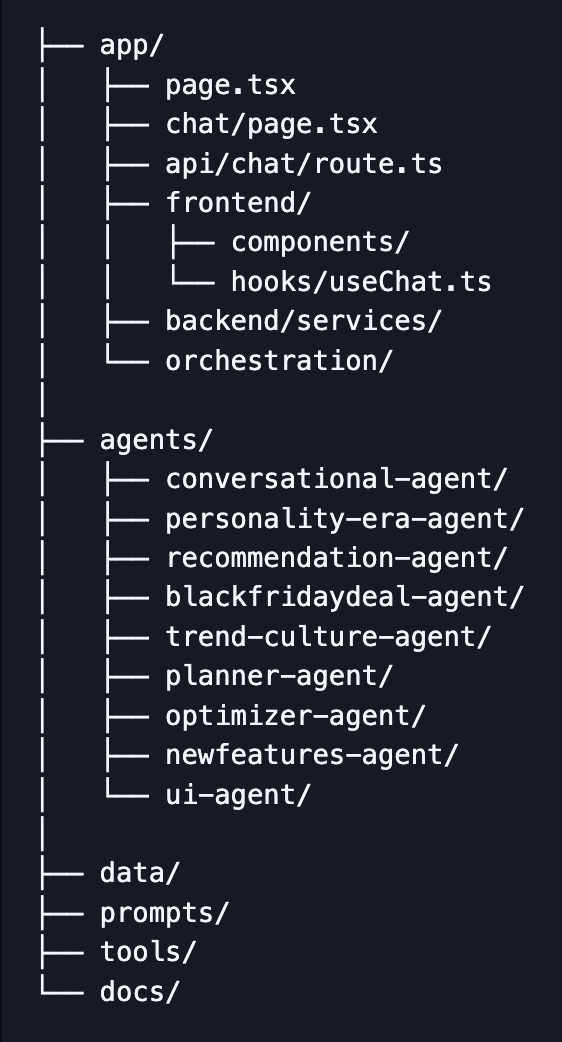
Next.js 14 (App Router): frontend + API routes
TypeScript: end-to-end type safety
Tailwind CSS: styling
Anthropic SDK: Claude integration
Framer Motion: animations
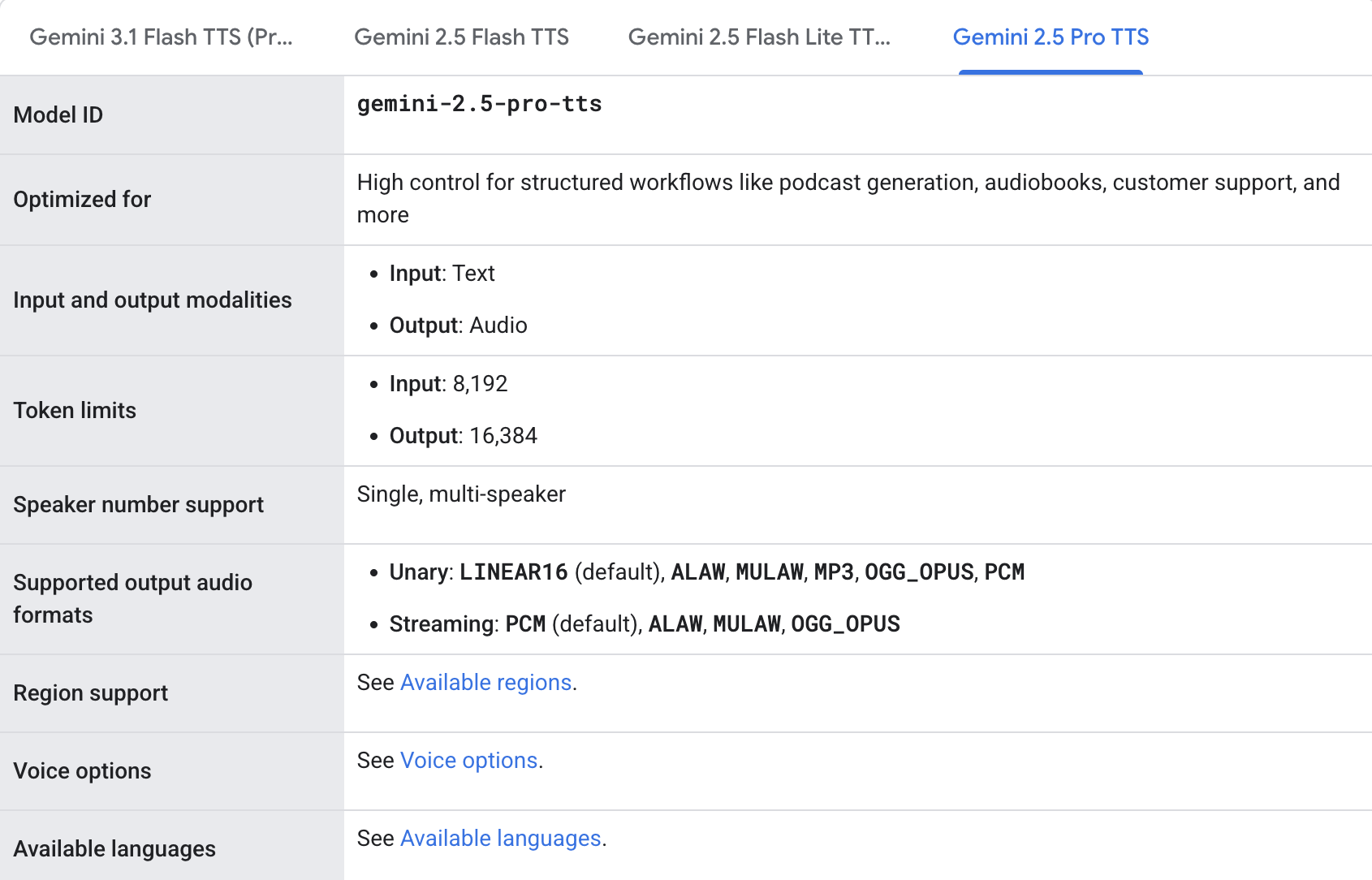
Google Gemini: LLM, TTS, Web Speech
Google Cloud Run: Deployment and service
-
Stateless API
Every chat request sends the full message history. This simplifies the backend to a single endpoint with no session management. Trade-off: larger payloads as the conversation grows, but this is acceptable for a 5-turn experience.
Client-Side State
All conversation state (messages array, loading state, era reveal data) lives in the `useChat` hook. No Redux, no global store. Trade-off: state is lost on refresh, which is acceptable for a prototype.
Single Claude Call
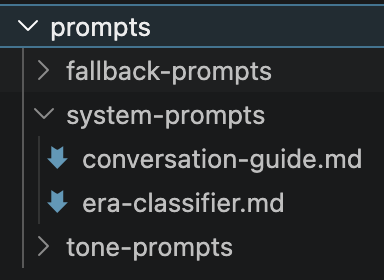
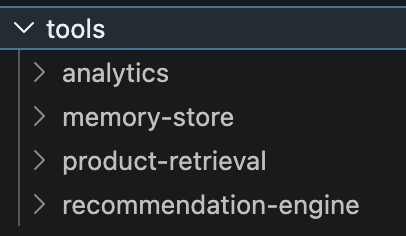
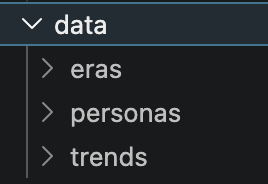
Rather than orchestrating multiple agent API calls per turn, the prototype uses a single Claude call with a rich system prompt that embodies all agent behaviors. The multi-agent architecture in `agents/`, `app/orchestration/`, and `app/backend/` documents the target production architecture.
JSON Protocol
When Claude detects it's time for the era reveal (after the 5th user answer), it responds with pure JSON rather than conversational text. The API route detects this pattern and routes it to the `era_reveal` response type.
Production Architecture (Future State)
Browser
↓
API Gateway
↓
Planner Agent (routes turn)
↓ ↓ ↓
Conversational Personality-Era Recommendation
Agent Agent Agent
↑ ↑ ↑
Orchestrator (assembles response)
↑
Analytics + Memory Store
↑
Browser
-
Stage 0: Discovery (dell.com / ads / social)
User arrives via Black Friday campaign materials. Teaser: "This isn't a deal. It's a direction."
Stage 1: Landing Page
Emotional state: Curious, slightly skeptical ("What is this?") Goal: Create intrigue, lower the sales-y expectation, invite them in.
Success: User clicks "Begin Your Journey"
Stage 2: Conversation Start
Emotional state: Engaged but unsure what to expect Goal: Make the first question feel safe and open.
The AI opens with a warm, slightly mysterious greeting, then asks Q1.
User types their first real answer.
Success: User types more than one sentence.
Stage 3: Discovery Questions
Emotional state: Progressively more open, feeling seen Goal: Gather rich signal while making every reflection feel personal.
The AI asks Q2, Q3, Q4. Each answer is reflected back in a way that makes the user feel genuinely observed, not profiled.
Success: Avg answer length grows. User feels the AI "gets" them.
Stage 4: The Final Question
Emotional state: Trust established, curious about outcome Goal: Get the deepest, most authentic answer, "What does success look like for you?"
This is the highest-signal question. The AI frames it as special ("Last one. This is the one that matters most.")
Success: User gives a thoughtful, personal answer about their version of success.
Stage 5: The Era Reveal
Emotional state: Anticipation → Recognition Goal: The moment of "yes, that's exactly it."
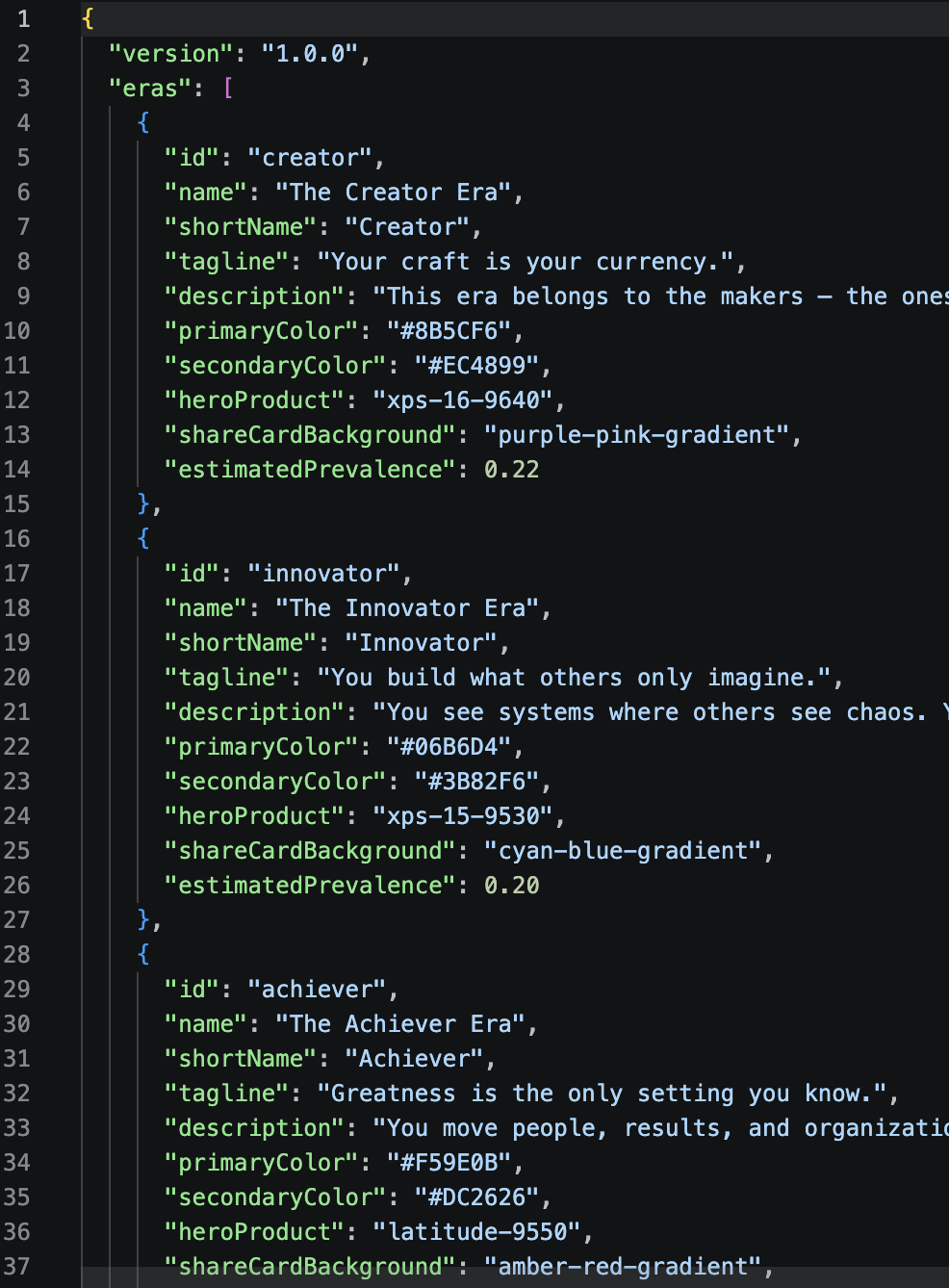
Era card animates in. User's era name, tagline, and personalized description appear.
Then: "Here are a few things that can support your next era."
Three products stagger in below.
Success: User reads the description and feels personally seen. Scrolls to products
Stage 6: Product Exploration
Emotional state: Intent Goal: Transform the emotional connection to the era into product interest.
Products are presented as era tools, not commodities. Each card leads with a tagline connecting the product to the era narrative.
Success: User clicks a product or adds to cart (on dell.com integration).
Stage 7: Exit / Share
User can:
- Share their era (social card)
- Save their era profile (email gate)
- Start over with a different persona
- Continue to dell.com to purchase
-
Conversational | Active (via system prompt) | Standalone Claude call | Turns 1–5 |
Personality Era | Active (via system prompt) | Standalone Claude call | After turn 5 |
Recommendation | Active (via system prompt) | Standalone Claude call | After classification |
Black Friday Deal | Active (pricing data in prompt) | Standalone call | Era reveal assembly |
Trend Culture | Passive (language in prompt) | Standalone enrichment call | Optional per turn |
Planner | Implemented in useChat hook | Standalone orchestrator | Every turn |
Optimizer | Not active (prototype) | Async analytics job | Post-session |
New Features | Not active (prototype) | Product management tool | Weekly |
UI Agent | Active (frontend renders it) | UI payload assembler | Era reveal |
Results
-
Enhanced Customer Engagement & Personalization:
Metric: Projected increase in user engagement time by 30% compared to traditional product browsing, as the conversational nature is more immersive.
Result: Ali transforms the product discovery process from a passive, overwhelming catalogue search into an active, personalized dialogue. By focusing on the user's personal 'era,' it creates an emotional connection and delivers a bespoke solution, not just a list of specs.
-
Increased Lead Qualification & Conversion:
Metric: Project a 12% increase in conversion rate for users who complete the "Ali" experience, as they are served a highly relevant product setup that directly matches their stated goals.
Result: The AI acts as an expert consultant, qualifying user needs at scale. By the time a user is presented with their personalized product suite, they have a clear understanding of why those products are right for them, leading to higher purchase intent and reducing decision fatigue.
-
Amplified Brand Reach & Social Proof:
Metric: Project that the personalized social cards would generate a 7% increase in user-generated content and social shares.
Result: The shareable, personalized social card turns a product recommendation into a form of self-expression. Users are encouraged to share their 'Innovator Era' or 'Creative Era' setup, creating powerful, authentic social proof for Dell's products and organically amplifying the brand's reach.
Reflecting…
1. The Challenge of Translating Aspiration to Technology:
A key challenge was creating the logic that maps abstract, personal aspirations to a concrete set of Dell products. This involved developing a 'persona matrix' that could interpret conversational cues (ex: a user talking about 'starting a side hustle') and translate them into specific technical needs (ex: a powerful processor for graphic design, a high-res monitor for detail, a reliable docking station for workflow).
2. The Power of Conversational Commerce:
This project demonstrates that the future of e-commerce, especially for complex tech products, lies in conversational AI. It proves that a brand can build trust and provide value by asking 'Who do you want to be?' instead of just 'What do you want to buy?'
3. Future Potential & Scalability:
If taken further, 'Ali' could be integrated with Dell's main site analytics to refine its recommendations in real-time. It could also be expanded to other segments, like creating setups for 'The Small Business Owner' or 'The Lifelong Learner.' The conversational framework is highly scalable and could become a central pillar of Dell's direct-to-consumer strategy.